
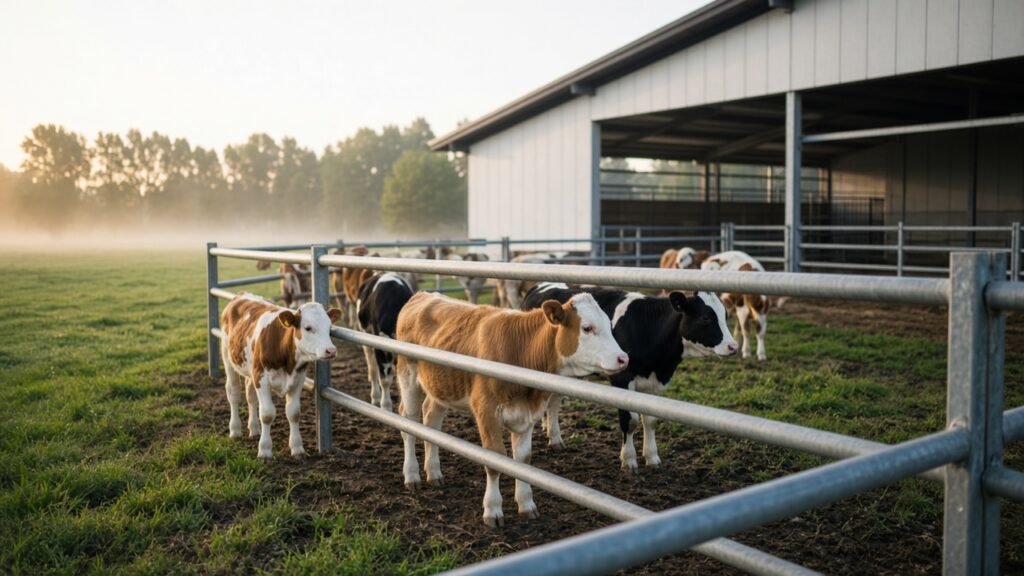
Exporting calves to Poland is a practical exercise in preparation. Buyers care about healthy animals, usable documentation, and logistics that arrive when promised. This checklist is for foreign farms and traders who want to supply the Polish market through a professional purchasing partner.
Euro Cieleta prefers EU suppliers and remains open to reliable partners across Europe — especially neighbouring and export-ready countries. Poland is always the destination. See Partners for purchase details, then reach out via Contact.
Prepare the animal side
- Healthy beef and dairy calves suited to rearing, finishing, or replacement demand.
- Agreed specs per lot — age and weight windows are flexible by agreement; do not wait for a rigid published kg band if your stock is consistent and well described.
- Stable lot quality so a successful trial can grow into repeat shipments.
Prepare the paperwork side
Before you quote a truck, know which identification and veterinary documents travel with your animals for the route you use. Buyers planning Polish intake need predictability — not surprises at the border or on arrival. Be ready to explain what you routinely provide and what you need from the buyer’s side.
Prepare logistics
Confirm who books transport, typical transit times into Poland, and how welfare is managed during loading and rest stops where required. Share realistic lead times. Trial shipments are welcome when you want to prove the lane before committing to larger regular volumes.
Prepare the commercial conversation
Euro Cieleta looks for ongoing / regular cooperation, not only one-offs. In your first message, state capacity, breed orientation, document readiness, and whether you propose a trial lot. We communicate in RU / PL / EN.
How to start with Euro Cieleta
Open Contact, choose supply / sell calves, and include your country and lot outline. Phone +48 691 900 728 or email biuro@eurocieleta.pl. Full purchase context stays on Partners.
Well-prepared suppliers save everyone time — and that is usually how lasting European calf trade begins.