
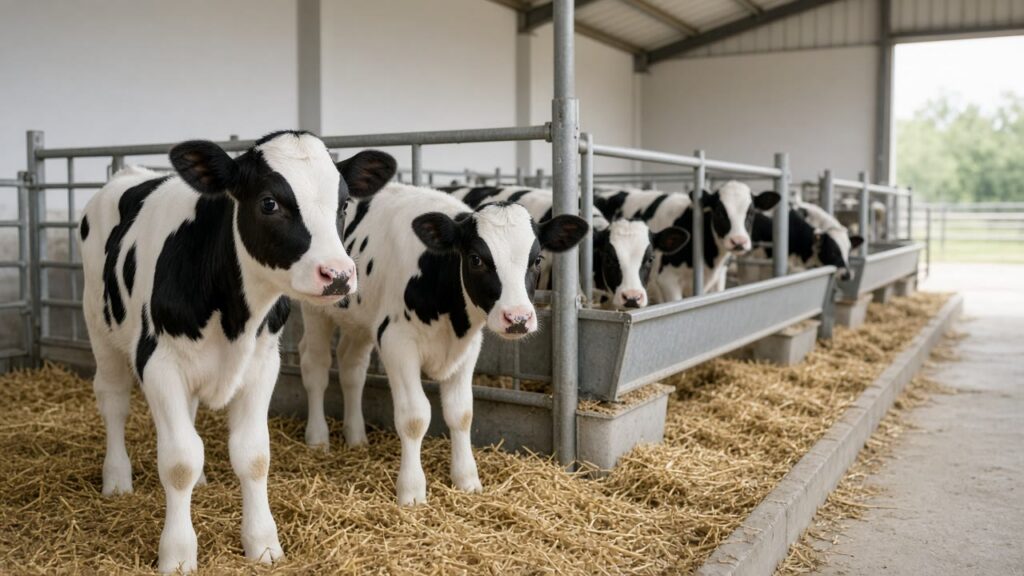
Looking for dairy calves buyers in Poland? Polish dairy and mixed farms keep purchasing replacement and rearing stock when animals arrive healthy, correctly identified, and with paperwork ready for EU intake. Euro Cieleta buys for that market. We work with foreign farms and traders who can supply Holstein-type and other dairy-oriented calves on a repeatable schedule — not one-off surprises.
This guide explains what dairy calves buyers in Poland usually check, how to structure an offer, and how to keep documents and logistics tight enough for a second booking. If you also ship mixed or beef-leaning lots, compare notes with our piece on matching calves to rearing goals.
What dairy calves buyers in Poland look for
Polish buyers are not shopping for “any calf.” Dairy-oriented demand usually means animals suited to rearing or replacement programmes. Holstein and Holstein-cross genetics are common asks, though the exact breed mix depends on the farm. Age and weight windows vary. Some buyers want younger stock for controlled rearing; others prefer a tighter weight band that fits existing housing and milk or milk-replacer budgets.
Health and vitality sit next to genetics. Buyers watch for calves that travel well, drink, and settle after unloading. They also watch for honest disclosure: vaccination or testing history you actually have, recent treatments, and animals excluded from the lot. Hiding weak calves in a good load is a short path to losing the account.
Identification must be clean. Ear tags and any required cattle passport or national ID documents have to match the animals on the truck and the TRACES certificate. Dairy calves buyers in Poland reject paperwork theatre. If tags and certificates disagree, unloading slows or stops.
Commercial clarity matters as much as the animals. State monthly capacity, typical lot size, loading region, and whether you can hold a trial lot before scaling. Buyers who plan housing and feed weeks ahead prefer suppliers who can forecast, not only quote a price for tomorrow morning. Seasonality also plays a role: flag when your dairy calf supply peaks so Polish partners can reserve space instead of scrambling.
Documents and lot specs that clear Polish intake
Intra-EU movements into Poland need operator discipline. Before you pitch dairy calves buyers in Poland, confirm you can deliver:
- Registered holding of origin with traceable ownership
- Correct ear tags and ID documents for every animal loaded
- TRACES NT animal health certificate prepared with your official veterinarian
- An authorised livestock transporter for the planned journey time
- Agreed breed type, age or weight window, and headcount in writing
Build the file before loading day. Rushing certificates the morning of departure is how mismatches happen. Keep copies of what you sent and what was certified. When a buyer asks a follow-up in RU, PL, or EN, answer with facts — not silence. For how we describe health checks on the buyer side, see what “health-checked” should mean for calf buyers.
Lot design should match dairy use cases. Say whether calves are intended as dairy replacements, rearing stock, or a defined cross programme. If your farm produces a mix, separate dairy-oriented animals from beef-oriented ones instead of forcing one vague description onto the whole truck. Clear lots are easier to price and easier to receive.
Also agree who pays for what: veterinary certification, TRACES fees, loading labour, and transport. Invoice surprises create friction after a clean delivery. Put commercial terms beside the animal specs so farm and finance teams read the same deal. If an animal drops out after certification, tell the buyer before arrival so paper headcount and truck headcount still match.
How to pitch and keep a Polish dairy calf buyer
Send a short structured offer: country of origin, monthly capacity, dairy breed types, typical age or weight bands, document readiness, and transport options. Photos help only when they match the actual lot. Lead with facts; price alone is a weak opener. A trial shipment is normal. Prove paperwork and animal quality once, then scale.
Logistics keep the relationship alive. Share a realistic ETA, update early if the truck is delayed, and give a live contact for the driver. Polish farms schedule labour and housing around arrival windows. A surprise midnight truck is not a favour. Selection and preparation before loading also matter — our process notes on how we select calves for farm delivery show the buyer-side filter suppliers eventually meet.
Communication cadence after the trial decides whether you become regular supply. Confirm lots 48–72 hours before loading when possible. Send final headcount and tag lists when available. Buyers who trust your updates give priority when they need dairy calves quickly. If border or inspection delays happen, one honest message beats a day of radio silence.
Track simple performance metrics with your Polish partner after each lot: mortality or treatment notes in the first week, paperwork issues, and arrival time versus ETA. Fix the weak step before you increase volume. Suppliers who treat feedback as part of the contract earn longer routes than those who only chase the next load price.
If you want context on who Euro Cieleta is before you send volumes, read our about page. Ready to offer dairy-oriented calves into Poland? Start on Partners with origin, capacity, breeds, and document status. Contact: biuro@eurocieleta.pl · +48 691 900 728 (RU / PL / EN).
Bottom line for dairy calves buyers in Poland: genetics and vitality open the door; TRACES-ready paperwork and reliable logistics keep it open. Suppliers who treat every lot like a contract — not a gamble — earn repeat orders.