
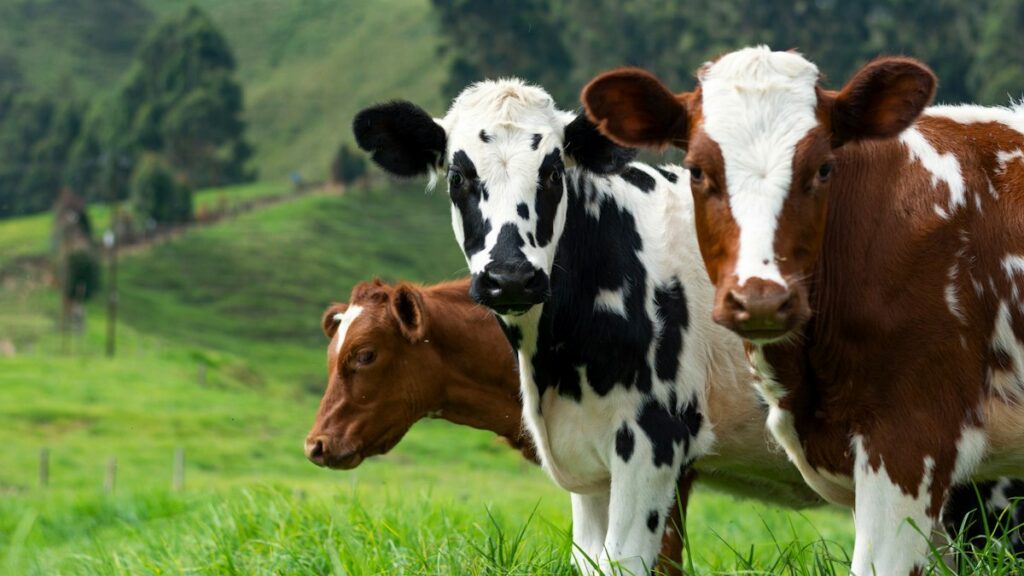
Irish herds ship strong calf types across the EU every season, and Polish rearing farms keep looking for that supply. Foreign producers who want a steady outlet for Irish calves to Poland need a clear purchase path — not scattered farm calls, but an organised buyer that states age, weight, breed mix, and loading windows up front.
We purchase calves from Ireland and other EU origins for Polish farms. The deal works when the lot matches the rearing plan on arrival: identified animals, readable health history, and transport fitness for a long haul. Contact the buying desk at biuro@eurocieleta.pl or +48 691 900 728 with a concrete offer, not a vague “calves available” note.
Why Irish calves to Poland stay in demand
Polish buyers value Irish genetics for growth and carcass potential, especially when dairy and beef crosses arrive in consistent batches. Irish exporters already work inside EU animal health rules, so the paperwork trail is familiar — ear tags, passports, and TRACES movements that Polish partners can verify. That shared framework cuts friction compared with non-EU origins.
Demand is not for “any calf.” Rearing farms specify windows: dairy bull calves for fattening lines, beef-sired stock for higher finishing targets, or mixed lots only when the farm can sort on arrival. Suppliers who name breed type, sex split, and live weight band get answers faster than those who send photos without numbers.
Seasonality matters. Spring and early summer peaks in Irish calf births push volume onto the market; Polish farms plan pen space and feed around those waves. If you can hold animals to a weight band or wean before loading, say so — holding capacity often decides whether a lot fits the next collection week. For weaned stock aimed at group housing, see how buyers frame weanlings for Poland before you price a mixed age group.
What a serious offer must include
Lead with the lot sheet. Headcount, breed or cross, sex, age in weeks, live weight range, and planned loading week belong in the first message. Add the holding county or region in Ireland and the nearest assembly point. If animals are still on milk, state the feeding plan; if already weaned, give the weaning date range and current diet.
Health and ID travel with the animals. Polish purchase programmes expect clear ear tags, matching documents, and veterinary history that supports long-distance movement. Flag any recent treatments, vaccination status you track, and whether the holding is under any movement restriction. Incomplete ID is a hard stop — not a detail to “sort later.”
Price talk only after the lot is defined. Buyers compare €/head or €/kg live against quality and logistics cost from Ireland into Poland. A low headline price that ignores ferry time, resting rules, and mid-route checks will not hold. State whether the quote is farm-gate, assembly-point, or delivered to a Polish drop — and whether loading labour is included.
If you already ship beef-type lots into Central Europe, align your description with how Polish partners specify frame, finish goal, and weight band. Same language saves a round of clarification emails.
Docs, logistics, and transport fitness from Ireland
Ireland-to-Poland routes combine road and often a ferry leg. That means journey planning, driver hours, watering, and resting rules sit next to the veterinary certificate. Suppliers who treat logistics as an afterthought lose lots that looked fine on paper. Name your preferred transporter if you have one experienced on Irish export corridors; otherwise say you need collection arranged from the holding.
TRACES and health certificates must match the animals loaded. Mismatched counts, wrong destination codes, or last-minute substitutions create border delays that burn trust. Keep the lot closed once certified — no swapping in weaker animals to fill a truck. Polish buyers would rather take a slightly smaller clean lot than a full truck with gaps in the paperwork.
Transport fitness is checked before the ramp, not after arrival complaints. Animals should stand, walk, and show no open wounds or severe lameness. Overcrowding to hit a headcount target is a false economy: stress and losses wipe the margin and end the next booking. For the document and haul checklist foreign sellers use on this corridor, read the practical notes on export calves to Poland docs and logistics.
Assembly points help when several small Irish holdings feed one truck. Agree who consolidates, who pays lairage, and who owns mortality risk until loading. Put those points in writing before the collection week starts.
How to start a deal with the Polish buyer
Send one structured email or call with the lot sheet and loading week. Attach photos only as support — numbers first. If the batch fits, you will get questions on ID, health papers, and collection details; answer those in the same thread so nothing gets lost across messengers.
Repeat business follows clean first loads. Farms that receive cattle matching the agreed weight band and health profile ask for the next week’s volume. Farms that receive surprises stop calling. That is why we keep selection tight and prefer suppliers who fire the same specification twice rather than a different story each time.
Partnerships work both ways. If you want a standing weekly or fortnightly slot from Ireland, say what volume you can hold and how far ahead you can lock a loading date. Browse the partners page for how ongoing supply relationships are framed, and read more about the company on the about page before you pitch a multi-week programme.
Ready to offer Irish calves to Poland? Email biuro@eurocieleta.pl or call +48 691 900 728 with headcount, breed mix, weight band, and loading week. Euro Cieleta buys lots that match Polish farm specs — clear papers, fit animals, and honest numbers.
Supplier in Ireland? See how to sell calves from Ireland to Poland.