
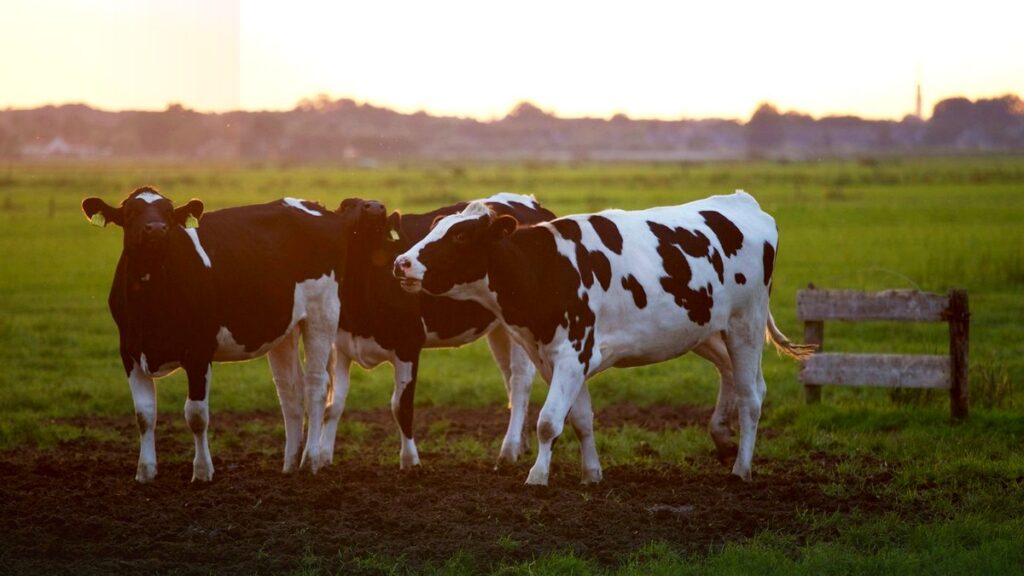
Foreign dairy farms and traders often ask who the active dairy calves buyers Poland are — and what a Polish buyer actually expects before a truck leaves the barn. Short answer: we source Holstein and other dairy genetics for rearing and fattening programmes in Poland, and we work with suppliers mainly in Germany, Slovakia and the Czech Republic who can deliver consistent lots with clean paperwork.
If you have weaned or unweaned dairy calves ready for cross-border sale, this is how Polish demand looks from the buyer side — lot sizes, breed mix, health checks, and how to open a conversation without wasting a week on mismatched offers.
What dairy calves buyers Poland look for in a lot
Polish demand for dairy-origin calves is steady, but it is not one-size-fits-all. On the dairy replacement side, farms want heifer calves with clear Holstein (or Holstein-cross) breeding, solid colostrum management, and ear tags that match the passport. On the fattening side, buyers take bull calves and mixed lots that grow well on milk replacer and starter feed — genetics matter less than health status and uniform weight.
Typical lot sizes we discuss with first-time suppliers sit around 20–40 head for a trial run, then 40–80 once the paperwork and transport rhythm are proven. Larger EU cattle trade shipments of 100+ are possible when the farm or trader can hold animals to one loading date and keep weight spread tight (ideally ±10–15 kg within the lot). Scattered singles from three barns in one week create vet and TRACES headaches; one coherent group loads faster and arrives cleaner.
Age windows that work in practice: 14–28 days for unweaned dairy calves headed into specialised rearing, and 6–12 weeks for weaned animals going into fattening units. Outside those bands we still look, but you should flag it early so we can match the right Polish partner farm.
Dairy replacement calves vs calves for fattening
Suppliers sometimes send one photo of “dairy calves” and expect the buyer to guess the use case. Spell it out. Dairy replacement calves (mainly heifers) need pedigree or at least sire information, and buyers pay a premium when Holstein calves come from known herds with low disease pressure. Male dairy calves and commercial crossbreds usually go into calves for fattening channels — price is tighter, volume is higher, and turnaround on offers is faster if weights and health certificates are ready.
Poland still absorbs a meaningful share of European dairy bull calves that dairy farms in DE/NL/DK cannot keep. That does not mean every weak or undersized animal finds a home. We decline lots with open navels, chronic cough, or incomplete vaccination history. If you want a realistic quote, send: headcount by sex, average live weight, breed notes, weaning status, and the planned loading week. Vague “approx. 50 calves next month” delays everyone.
For a deeper split on how rearing goals change selection, see our notes on matching beef and dairy calves to rearing goals — useful when your barn mixes Holstein heifers with beef-sired calves in the same week.
Documents, TRACES and transport basics
Cross-border calf moves inside the EU rest on the usual stack: individual identification, health certificate, and a TRACES consignment that matches the truck and destination. Polish livestock buyers will not green-light loading if ear tags, passports and the certificate disagree. Plan the official veterinarian visit early enough that the certificate validity still covers travel time under Regulation 1/2005 rest and journey rules.
We do not need you to invent a logistics company from scratch. Reliable DE/SK/CZ carriers already run calf routes into western and central Poland. What we do need is honest journey planning: watering, bedding, stocking density, and a contact who answers the phone at 5 a.m. when the border queue is long. Incomplete health paperwork is the number-one reason “almost ready” lots slip a week.
If you want the buyer’s view of what “checked” really means before money moves, read what health-checked means for calf buyers. It saves a round of emails about photos vs. clinical status.
How to pitch your lot to a Polish livestock buyer
Keep the first message short and factual. Introduce the farm or trading company, country, and how often you can load. Then list the lot: dairy Holstein heifers / dairy bulls / mixed; headcount; weight band; age; weaning; proposed week. Attach two or three clear photos of the group (not a single hero calf) and confirm that TRACES and health certs can be issued for that week. That is enough for us to say yes, no, or “hold 10 days and we take 40.”
Price talk goes smoother when you already know your floor including vet, tags, and loading labour. Polish buyers compare landed cost against local auctions and other EU offers the same week — so a moving “ask me later” price usually loses the slot. If your calves are premium dairy replacements, say why (sire, herd health scheme, vaccination protocol). If they are commercial fattening calves, compete on uniformity and reliability of supply, not storytelling.
Want a direct path to our sourcing desk? Use the partners page and describe your next available dairy lot. For who we are and how we work with foreign suppliers, the about page gives the short company picture before you send numbers.
Bottom line for suppliers in DE, SK and CZ: Polish demand for dairy-origin calves is real, but it rewards clean lots, predictable documents, and clear dairy-vs-fattening labelling. Send a concrete offer, not a brochure — and we can tell you within a working day whether the lot fits a rearing or fattening programme here.