
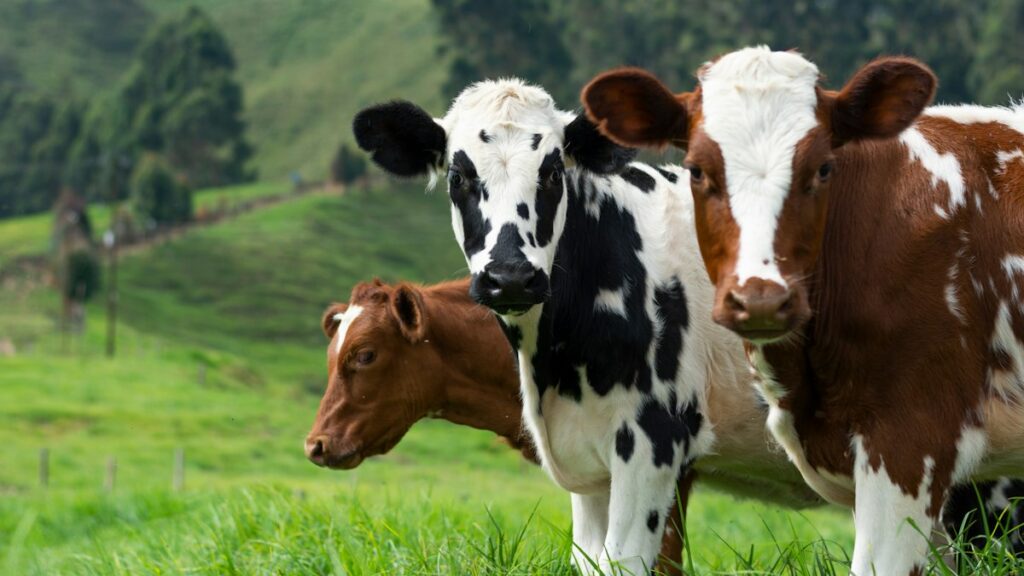
Polish rearing farms keep asking for animals that have already left the milk phase and can settle into group housing without nursing shocks. That buyer demand is why foreign suppliers keep looking for a clear route for weanlings for Poland — not newborn calves only, but stock that has been weaned, identified, and ready for a structured health check before loading.
If you raise cattle outside Poland and want a stable outlet, the practical path is to sell into an organised purchase programme rather than chasing one-off farm calls. We buy lots that match Polish farm specifications: age window, breed mix, weight band, and transport fitness. The goal on both sides is simple — fewer surprises on arrival day and a repeatable deal rhythm.
What Polish buyers mean by weanlings for Poland
In trade talk, “weanling” usually means a calf that has finished milk feeding and can take solid feed without major setbacks. Polish buyers often want animals in a defined age band after weaning, with clear ear tags, a readable passport trail, and a veterinary history that travels with the lot. Dairy-type and beef-type animals both move, but the rearing goal on the Polish side decides the mix they will accept.
Suppliers who only describe “calves” without weaning status waste time. Buyers need to know whether the animals still need milk management or can go straight into dry feed and group pens. That single detail changes housing, labour, and feed planning on arrival. State it early in your offer: weaning date range, current diet, and average daily gain if you track it.
Weight and age must line up. A lot that claims weaned status but arrives underfed or with mixed nursing animals will fail the next round of purchases. Polish partners prefer consistent batches — even if the lot is smaller — over mixed bags that force sorting on the ramp.
How to structure an offer that gets a yes
Start with numbers, not marketing language. Include headcount, breed or cross type, sex split, age range in weeks or months, live weight band, weaning confirmation, and planned loading week. Add the holding location and the nearest major road corridor. If you already work with a transporter familiar with long EU hauls, name them; if not, say you need collection arranged.
Paperwork sits next to the animals in every serious deal. Expect questions on identification, TRACES readiness, and health certificates for the route into Poland. Gaps here delay loading more often than price talks do. Keep scan copies ready so a buyer can verify the lot before committing truck space. Our notes on EU calf export into Poland show the document rhythm foreign suppliers usually face.
Health presentation matters as much as genetics. Buyers look for animals that stand cleanly, drink without struggle, and show no open respiratory issues. If you run a pre-load check with your vet, write the date and what was covered. Farms in Poland plan feed and pen space around the animals you promise — a soft lot that needs nursing care after a long haul creates cost on their side and erodes trust on yours.
Price talks go faster when the lot description is complete. Vague “approx. 50 calves” offers invite counter-questions and slow replies. Exact counts and a weight band give both sides a shared base. If you can hold the lot for a short window while paperwork clears, say so; flexibility on loading day often closes the deal when trucks and farm slots finally align.
Selection, transport fitness, and farm delivery
Not every weaned calf is fit for international transport. Animals need to handle hours on the road, rest stops, and a new pen layout without collapsing. Cull weak walkers before you quote a full lot. Our team’s approach to selecting calves for farm delivery focuses on the same filters Polish farms use on arrival: mobility, hydration, and a calm feed response.
Loading order and density affect outcomes. Overpacking a compartment to “save a trip” often costs more in DOA risk and claim talks than a second truck. Agree stocking density with the haulier against journey length and weather. Summer heat and winter cold both change water and bedding needs — put those notes in the loading plan, not in a post-mortem email.
On the Polish side, farms want a predictable arrival window. Share GPS updates once the truck is moving. A short call before unloading helps staff open pens and prepare feed. Small habits like that turn a first sale into a second and third. If you are new to this corridor, plan pen space and water before the truck opens so your lot meets expectations at the gate.
Partnership terms should stay clear. We buy for Polish rearing programmes and need suppliers who can repeat quality, not only clear one truck. Stable ear-tag discipline, honest weight bands, and on-time loading windows matter more than a one-off discount. When those pieces hold, volume can grow without rewriting the whole process each month.
Keep communication short and factual. One clear email with the lot sheet beats a long thread of partial updates. When the numbers and papers line up, loading dates lock faster for both the farm and the haulier.
Next step for foreign suppliers
If you have weaned stock ready — or a regular flow of weanlings — send a concrete offer rather than a general interest note. Include photos of the group if available, the weaning window, and your earliest loading date. For programme terms and how we work with EU partners, see the partners page. To discuss a specific lot, use the contact form, email biuro@eurocieleta.pl, or call +48 691 900 728.
Euro Cieleta buys calves and weanlings that fit Polish farm demand. Bring a clear lot description, clean documents, and transport-ready animals — and we can move from first message to a booked load without unnecessary delay.