Dutch dairy farms turn out large volumes of young stock every year, and Polish rearing units keep looking for that supply. Foreign producers who want a reliable path for Dutch calves export Poland need a buyer that states age, weight, breed mix, and loading windows — not a chain of one-off farm calls with unclear specs.
We purchase calves from the Netherlands and other EU origins for Polish farms. The deal works when the lot matches the rearing plan on arrival: identified animals, readable health history, and fitness for a multi-hour haul. Contact the buying desk at biuro@eurocieleta.pl or +48 691 900 728 with a concrete offer, not a vague “calves available” note.
Why Dutch calves export Poland remains a steady route
The Netherlands sits close to Polish fattening and rearing regions by road. Shorter journey times help keep young animals in better condition on arrival, which matters for farms that pen calves the same day they unload. Dutch herds also work inside familiar EU animal health rules — ear tags, passports, and TRACES movements that Polish partners can verify without reinventing the paperwork trail.
Demand is selective. Polish buyers look for dairy bull calves for fattening lines, beef-sired crosses for higher finishing targets, and sometimes mixed lots only when the farm can sort on arrival. Holstein and Holstein-cross stock from Dutch dairies often fit those programmes when weight bands and sex splits are stated clearly. Suppliers who name breed type, sex split, and live weight range get answers faster than those who send photos without numbers.
Seasonality still shapes the calendar. Peak calving periods in NL push volume onto the market; Polish farms plan pen space and milk replacer around those waves. If you can hold animals to a weight band or wean before loading, say so up front — holding capacity often decides whether a lot fits the next collection week. For broader EU movement planning, see our notes on planning European calf transport before you lock a collection date.
What your lot sheet must show before collection
Lead with the numbers. Headcount, breed or cross, sex, age in weeks, live weight range, and planned loading week belong in the first message. Add the holding province or region in the Netherlands and the nearest assembly point. If animals are still on milk, state the feeding plan; if already weaned, give the weaning date range and current diet.
Health and ID travel with the animals. Polish purchase programmes expect clear ear tags, matching passports, and a vaccination or treatment record that a vet can read without guessing. Note any animals treated in the last fortnight and the withdrawal status. Lots with missing tags or incomplete passports stall at the assembly point — fix that before you ask for a price.
Group consistency helps. A tight weight band (for example 45–55 kg or 55–70 kg) is easier to place than a spread from light milk calves to heavy weanlings in one trailer. If you must mix, separate groups on the sheet and price them as separate lines. Farms that buy for a single pen system reject wide spreads even when the average looks fine on paper.
Price talk comes after the sheet. Send CIF or EXW only when the lot data is complete; otherwise the desk will ask for the missing fields first. If you already work with a haulier on the NL–PL corridor, name the firm and typical transit hours. That detail speeds the logistics check.
TRACES, health papers and journey fitness from NL
Intra-EU calf movements rely on TRACES notifications, animal health certificates where required, and transporters that meet Regulation 1/2005 rules on space, watering, and rest. Dutch exporters who already run regular PL routes usually have this routine; first-time shippers should confirm the certifying vet and the transporter’s authorisation before promising a loading day.
Journey fitness is not a checkbox. Calves must stand, eat, and travel without obvious injury or severe scour. Soft bedding, correct stocking density, and a realistic departure time cut losses on arrival. If a lot needs extra rest or a split load, say it early — last-minute changes on the ramp cost everyone time and trust.
Assembly points matter. Many Dutch sellers consolidate calves at a collection centre rather than loading farm by farm. Tell us whether animals stay on the farm of origin until pickup or move to an approved assembly site first. That choice affects TRACES timing and how we schedule the Polish unloading window. For the Polish-side purchase checklist suppliers often miss, read what buyers need when you sell calves to Poland.
Insurance and liability should be clear in the offer terms: who covers mortality in transit, who pays waiting time at the border check if papers fail, and who replaces animals rejected on unloading. Short written terms beat handshake assumptions once a truck is rolling.
How to send an offer that gets a fast reply
Use one email or message with the full lot sheet attached or pasted. Subject line with origin (NL), headcount, and loading week helps the desk sort mail. Include a phone number that answers during Dutch morning hours — back-and-forth on incomplete sheets wastes the loading slot.
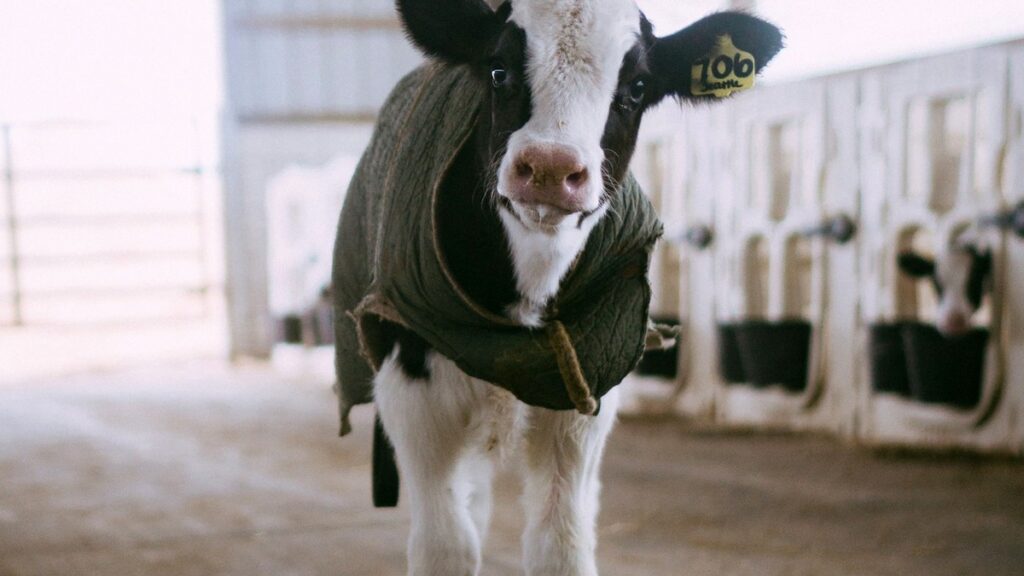
Photos help only when they match the sheet. Show ear tags, general condition, and housing — not a single golden-hour portrait of the best calf in the pen. If you have a weighing slip from the last fortnight, attach it. Farms that buy through Euro Cieleta want evidence that the numbers are current, not estimates from three weeks ago.
Be ready to confirm or adjust. The desk may ask to drop light animals, split sexes, or shift the loading day by 48 hours to match a Polish pen cycle. Suppliers who can flex within a stated window keep the relationship; those who freeze on the first quote often miss the next truck.
When the lot fits, next steps are simple: agree price and Incoterms, lock the transporter, complete TRACES, and confirm the Polish delivery address and unloading contact. Prefer written confirmation for each step. For partner programmes and ongoing supply talks, start at our partners page or use the contact form with the same lot details you would put in an email.
Dutch calves with clean papers and honest weight bands keep finding Polish buyers. Put the sheet in order, name the loading week, and send it to biuro@eurocieleta.pl or +48 691 900 728 — that is the shortest path from your assembly point to a Polish farm gate.