
Calf transport EU regulations decide whether a load reaches a Polish buyer on time or gets stopped before the border. If you sell calves into Poland, transport rules sit next to price, health status, and batch size. Buyers who fatten or rear stock plan arrival windows around farm labour and quarantine space. A clean offer that ignores journey limits, rest stops, or paperwork rarely survives the first check.
This guide is for foreign suppliers and exporters who want a practical reading of what Polish buyers expect under EU animal transport law. We buy calves for placement with farms in Poland. We look at the animal, the documents, and the route as one package. Contact for offers: biuro@eurocieleta.pl or +48 691 900 728.
What calf transport EU regulations cover for suppliers
Council Regulation (EC) No 1/2005 sets the baseline for live animal journeys inside the EU. For calves, the points that most often decide an offer are fitness for transport, vehicle standards, maximum journey times, watering and feeding, and the competence of drivers and attendants. National authorities still inspect at loading points and on the road. A Polish buyer does not rewrite those rules, but they do filter suppliers by how clearly the offer shows compliance.
Fitness for transport is the first filter. Calves that cannot stand without assistance, show open wounds, severe lameness, or clear signs of disease should not leave the farm. Age and weight bands also matter for long journeys. Many Polish farms ask for a stated age range and recent weight estimates so they can judge both welfare risk and feeding plans after arrival. Vague phrases such as “mixed young stock” force the buyer to guess. That usually ends the conversation.
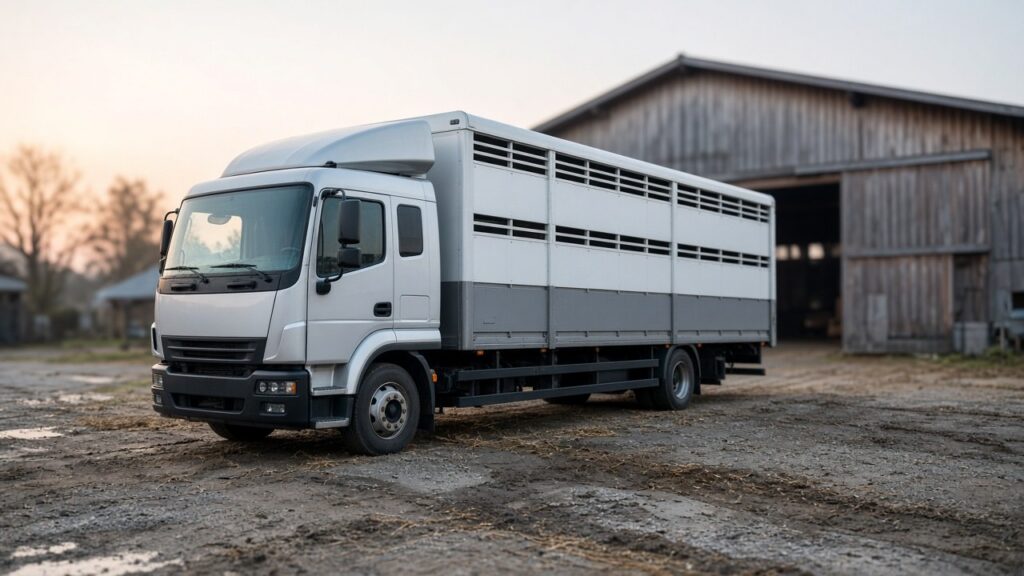
Vehicle standards come next. Adequate ventilation, non-slip flooring, partitions that prevent overcrowding, and a loading ramp animals can use without stress are basic expectations. For longer hauls, the transport plan should name watering and feeding intervals. Suppliers who already work with approved transporters and can share the company name and vehicle type save time. Buyers compare that detail with what they see in export calves to Poland docs and logistics checklists used across EU routes.
Journey times, rest, and TRACES in practice
Journey time rules are where offers often break. Short and long journeys carry different obligations. Once a route crosses into long-journey territory, transporters need the right authorisations, a journey log, and satellite navigation where required. Rest stops and unloading for recovery change ETA and cost. Polish buyers plan staff for unloading and first feeds. An ETA that ignores mandatory rest creates conflict on arrival day.
TRACES (or the successor trade-control workflow your competent authority uses) must match the animals on the truck. Ear tags, health certificates, and the consignment note need the same identity data. Mismatches at the border or at an assembly centre delay the load and can void the deal. When you prepare an offer, list the origin member state, assembly point if any, proposed route, and the expected unloading window in Poland.
Weather belongs in the plan too. High summer heat and deep winter cold change stocking density and watering needs. A supplier who adjusts loading density and departure times for temperature looks more reliable than one who quotes a flat price with no route notes. For a wider export checklist beside transport rules, see our note on calf export from the EU to Poland.
How Polish buyers read a transport-ready offer
Polish buyers rarely buy “paper calves.” They buy a batch that can clear transport checks and settle on farm. A strong offer usually includes:
- Breed or cross type, sex mix, age band, and approximate weight
- Health status: vaccinations, treatments, and any known herd notes
- Number available and earliest loading date
- Transporter name or type, estimated journey length, and planned rest stops if the route is long
- Document set: identification, health certificate path, and TRACES readiness
- Price basis (ex farm, loaded, or delivered) with clear cost ownership
Price without logistics is incomplete. Be clear about veterinary inspection fees at origin and what happens if an animal is unfit at loading. Buyers prefer a firm quote with clear rules over a cheap quote full of open ends.
Communication style matters as much as the numbers. Photos of the batch, ear-tag lists, and a short loading schedule reduce back-and-forth. If you need a farm contact path in Poland after commercial terms are agreed, use our contact page. For suppliers who want a standing buying relationship rather than one-off loads, the partners page explains how we work with foreign farms and exporters.
Common mistakes that stop loads before Poland
The same failures appear across many delayed consignments: animals loaded without a real fitness check, overcrowding that fails inspection, missing journey logs, health certificates that do not match ear tags, and drivers who cannot show competence certificates for long journeys. Offers that promise “direct” delivery when the route legally needs a rest stop also fail. Each problem costs money and trust.
Optimistic ETAs are another frequent issue. Crossing several member states with calves is slower than moving empty trucks. Build buffer into the unloading window and tell the buyer early if the plan changes.
Keep animal IDs and certificate fields consistent. If you use an assembly centre or more than one holding, say so clearly. Buyers and official vets need a clean chain of custody. Euro Cieleta reviews that chain before farm placement, because a transport failure on the road becomes a farm problem the next morning.
Checklist before you send the next offer
Before you email a batch to a Polish buyer, run this short check:
- Are all calves fit for the planned journey length?
- Is the transporter authorised for that journey type, with a vehicle that meets space and ventilation needs?
- Do journey times and rest stops match Regulation 1/2005 for the route?
- Are TRACES and health papers ready for the exact animals listed?
- Is the price basis clear, including who pays for delays or rejects at loading?
- Does the buyer have a realistic unloading window in Poland?
If you can answer yes on each point, your offer is easier to place. Transport compliance is part of product quality for live calves. Suppliers who treat it that way win repeat orders.
Send batch details, route notes, and your earliest loading date to biuro@eurocieleta.pl or call +48 691 900 728. We will tell you quickly whether the lot fits current demand and what still needs tightening on the transport side.