
Polish dairy herds refresh their milking lines every year, and that creates steady demand for dairy replacement calves Poland can actually rear into productive heifers. Foreign suppliers who understand that goal — not just “sell young cattle” — close deals faster. If you raise Holstein-Friesian or similar dairy genetics in the EU and want a repeat buyer in Poland, this guide shows what farms ask for, how to package a lot, and where to send the first offer.
What dairy replacement calves Poland buyers actually want
Replacement buying is different from fattening. Polish dairy managers look for heifer calves that will enter the milking herd, not animals destined for a short feedlot cycle. That shifts the checklist: breed type, dam and sire data when available, weight for age, and a clean health history matter more than maximum daily gain on a beef ration.
Typical lots that get a reply are female dairy calves or weaned heifers with clear ID, consistent frame, and paperwork ready for TRACES. Mixed beef-dairy groups sold as “replacements” usually stall — buyers separate those conversations. If your farm also sells beef types, keep those lists apart so the dairy conversation stays focused.
Volume helps, but quality filters first. A 20–40 head group of uniform Holstein heifers with matching age bands often beats a larger mixed lot. Polish buyers prefer knowing they can slot animals into one rearing protocol instead of sorting outliers on arrival. Seasonality still plays a role: spring calving surges and autumn housing pressure change how quickly a farm can take another group, so stating your flexible load weeks helps more than pushing a single “must move Friday” date.
Buyers also watch rearing cost. A calf that arrives already stressed, underweight for age, or with an unclear milk history becomes expensive in the first month on Polish feed and labour. That is why honest weight ranges and a short note on feeding method (milk replacer brand or whole milk, times per day, weaning status) belong in the first email, not in a follow-up after the price talk.
Genetics, age, and health specs that clear screening
Most Polish dairy farms still centre on Holstein-Friesian bloodlines. Crosses can work when the dairy side is dominant and you declare it honestly; surprise beef influence is a fast way to lose trust. Share breed share, birth dates, and any genomic or pedigree notes you already keep — even a short table in the offer email saves a round of questions.
Age and weight bands should match rearing capacity. Many buyers ask for calves past the highest neonatal risk window, with solid suckling or early weaning history and no recent group illness. Vaccination schedules, BVD status where tested, and respiratory history are worth stating up front. You do not need a novel pitch; you need numbers a farm vet can scan in two minutes.
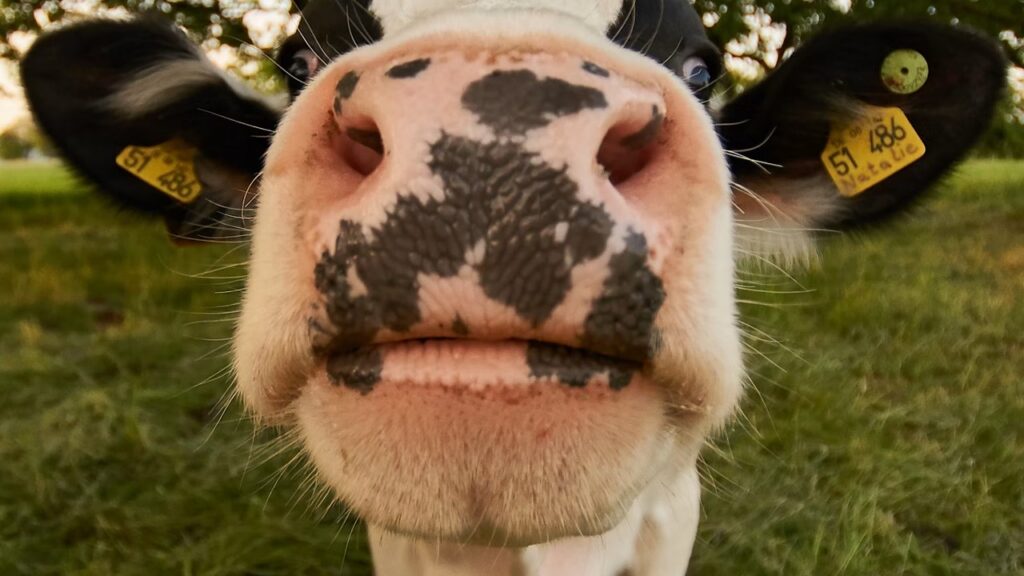
Ear tags must be readable and consistent with the export certificate. Polish receivers check ID on unload. Damaged tags, mismatched lists, or missing passport data create delay at the yard gate even when the calves look fine. If a tag was replaced, note the old and new numbers in the list — silence on replacements is a common reason a clean-looking truck gets held for paperwork checks.
How to present a replacement lot offer
Start with a one-screen summary: head count, sex, breed, age range, average weight, location of the holding, and earliest load date. Then attach a simple animal list (tag, DOB, weight, notes). Photos of the group in the pen help; staged studio shots do not. Farms want to see coat condition, frame, and how animals stand together.
Price expectations should sit next to Incoterms reality. Say whether the quote is farm-gate, loaded, or delivered toward a Polish assembly point. Hidden transport assumptions kill otherwise good lots. If you need a partner who already buys into Poland and can coordinate intake, review how suppliers structure first offers before you send a long brochure.
For dairy-focused buyers specifically, it also helps to skim what Polish dairy calf buyers screen for on genetics and lot layout. Keep your email short. One clear ask — “Can you take 30 Holstein heifers week 42?” — beats three pages of farm history. Mention payment terms you can accept and whether the lot is still open to other buyers; Polish partners plan intake around firm holds, not soft options that disappear overnight.
Documents and logistics that keep loads moving
Intra-EU calf moves still run on animal health certificates, TRACES notification, and transport that meets Regulation 1/2005 rest and space rules. Replacement calves are no exception. Build time for your official vet, certificate drafting, and haulier slots. Last-minute certificate changes are the most common reason a planned Monday load slips to Thursday.
Plan feeding and bedding for the journey as carefully as you plan price. Young dairy animals dehydrate and chill faster than heavier weanlings. Agree watering stops and stocking density with the haulier in writing. On the Polish side, receivers need a realistic ETA so staff and quarantine pens are ready — a vague “sometime Tuesday” creates avoidable stress for the calves and the crew.
If you are unsure which papers Polish intake teams check first, ask before you book the truck. A short call with the buyer’s logistics contact often prevents a certificate rewrite at the border. For questions on intake timing or who signs for a lot, use the contact page rather than waiting on a generic inbox. Keep copies of the animal list and certificate PDF in one folder so the driver and the receiving farm open the same version — version drift between email threads still causes unload arguments.
Practical next step for EU suppliers
Euro Cieleta buys calves for Polish partners and prefers suppliers who send clean, dairy-typed replacement groups with complete lists. Brand name once is enough — what matters is whether your lot matches what dairy farms can rear. Send head count, age/weight band, breed, holding location, and load window to biuro@eurocieleta.pl or call +48 691 900 728.
If you want the partnership route instead of a one-off truck, start on the partners page and describe your typical monthly surplus. Steady, honest specs beat occasional bargains. Polish dairy replacement demand rewards suppliers who treat heifer quality as the product — not just kilometres to the border. Ready lots with tidy lists get answered first; incomplete offers wait in the queue.