
Limousin calves are a frequent ask from buyers who want beef-oriented stock with solid growth and a usable finishing frame. Euro Cieleta buys calves for the Polish market, and Limousin-type animals — purebred and Limousin-cross — come up often in supplier conversations. This page is a sourcing brief for foreign farms and traders, not a breed-society reprint.
If you sell Limousin calves into Poland, Polish partners will judge type, uniformity, health, and paperwork before they care about slogans. Below: what the breed is in commercial terms, what buyers check on arrival day, how EU movement docs work at a practical level, and how to pitch a lot we can actually buy.
Origin and commercial type
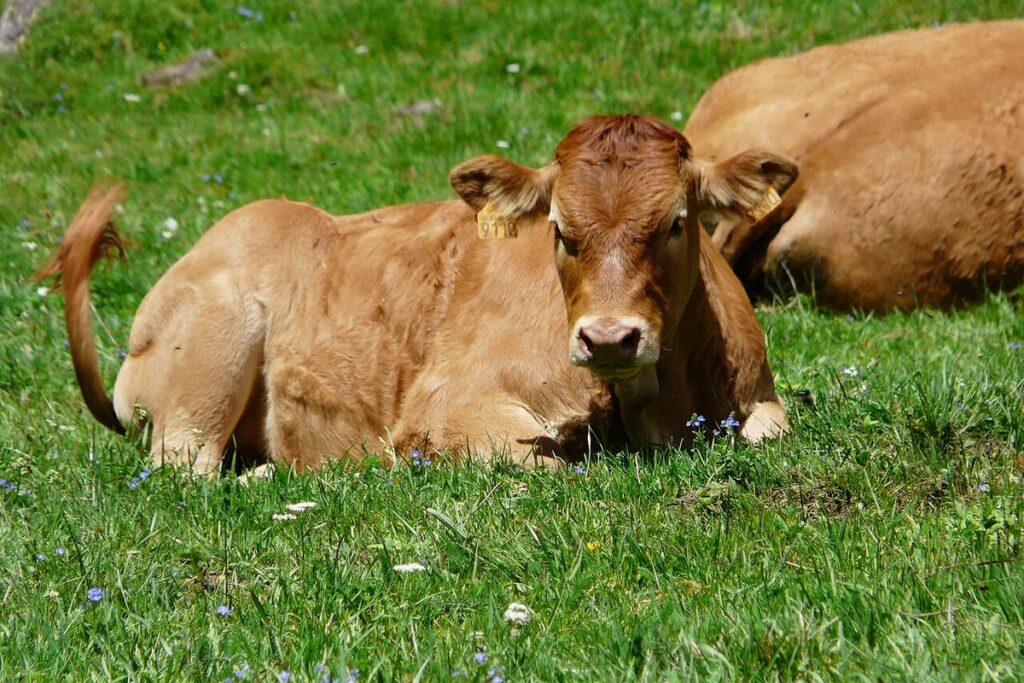
Limousin cattle originate in south-west France and are bred as a beef breed. The classic animal shows a wheat-to-red coat, light muzzle, and muscular conformation built for meat. In calf trade, “Limousin” may mean registered purebreds or commercial calves with clear Limousin influence. Polish buyers usually care more about consistent type and a deliverable weight band than about show pedigrees.
Against dairy Holstein calves, Limousin calves are bought for beef rearing and finishing, not milk replacement. Against extreme double-muscled types, many Limousin lots are easier to manage on farm and in transit — but temperament and conformation still vary by herd. Describe what you ship, not an ideal catalogue photo.
Crossbred Limousin calves (Limousin × dairy or Limousin × other beef) are common. Label the cross. Buyers house and price pure Limousin, Limousin-dairy crosses, and mixed beef crosses differently. Vague “Limousin-type” language without a cross note creates disputes after unloading.
Seasonal supply also matters. If your Limousin calves peak in certain months, say so up front. Polish rearing plans follow housing and feed calendars; a supplier who can forecast capacity four to six weeks ahead is easier to book than one who only quotes for tomorrow’s truck.
Calf and rearing traits buyers check
When Polish partners request Limousin calves, filters usually include:
- Frame and muscling — animals that read as beef stock, not dairy-frame calves with a Limousin label
- Age and weight window — write the band you can hit every month; marketing adjectives do not replace numbers
- Vitality after transport — calves that stand, drink, and settle after unloading
- Uniformity — wide type scatter is hard to feed as one group
- Sex mix bull, steer, or heifer split if it changes price or farm demand
Growth potential is part of the Limousin reputation, but buyers still want farm facts: typical sale weights, feeding system, and how you select before loading. Photos help only when they match the truck. If you pre-sort and rest calves before departure, mention it — welfare and labour on the Polish side depend on arrival condition.
Handling history shows up on the ramp. Poorly weaned or chaotically mixed groups travel worse and need more staff after unloading. Polish units schedule people around ETA windows. For the logistics side of that handshake, see our notes on planning European calf transport. For the wider beef-calf filter into Poland, read what beef calf buyers in Poland expect — Limousin calves sit inside that demand.
Trial lots are normal. Prove type and paperwork once, then scale. After the trial, review mortality or treatment notes in the first week, certificate timing, and arrival versus ETA. Fix the weak step before you double volume. Suppliers who treat feedback as part of the contract keep routes longer than those who only chase the next price.
Health, ID, and movement paperwork
Limousin calves moving into Poland need the same EU discipline as any bovine lot: registered holding, correct ear tags and ID documents, and a TRACES NT animal health certificate certified by an official veterinarian before departure. A breed name on a brochure does not replace those files.
Tags, animals, and certificate must match. Mismatches stop unloading faster than arguments about conformation. Keep copies of what you certified. If an animal drops out after paperwork is issued, tell the buyer before arrival so paper headcount still matches the truck.
Health claims should be plain language: vaccination or testing history you actually have, recent treatments if relevant, and animals excluded from the lot. Do not bury weak calves in a Limousin-branded load. One bad arrival costs more than one skipped sale. Confirm current movement requirements with your veterinarian and competent authority — this page is commercial guidance, not legal advice.
Also agree who pays for certification, TRACES fees, loading labour, and transport. Invoice surprises create friction after a clean delivery. Put commercial terms beside animal specs so farm and finance teams read the same deal.
Why Euro Cieleta buys Limousin-type calves
Euro Cieleta sources calves for Polish farms. Limousin and Limousin-influenced calves fit buyers who want beef rearing genetics with a known commercial profile. We look for suppliers who describe type honestly, hit agreed weight bands, and ship with clean EU paperwork — first as a trial, then on a repeatable schedule.
A useful offer for Limousin calves includes country and region of origin, purebred versus cross, monthly capacity, age or weight window, sex mix, document readiness, and transport options. Price matters, but capacity and paperwork quality decide whether you get a second booking.
Ready to offer Limousin calves into Poland? Start on our Partners page or read about Euro Cieleta. Contact: biuro@eurocieleta.pl · +48 691 900 728 (RU / PL / EN).
Bottom line: Limousin calves sell on type, uniformity, and documents — not on breed buzzwords. Treat each lot like a contract and Polish demand stays open.
More breeds: Blonde d’Aquitaine, Aubrac, Simmental (Fleckvieh), or all cattle breeds.
Photo: Hospice de France bovins (12).JPG by Père Igor, CC BY-SA 3.0, via Wikimedia Commons.
